
When the Glitter Settles: Why January Feels Heavy
- And How To Lighten the Load.
Author: Dr. Julie. Sorenson, DMFT, MA, LPC
Good ole’ January, let’s talk about it for a minute.
December is shiny and sparkly. It smells like cinnamon, peppermint mochas, pine needles, and social chaos. There are parties, events, ugly sweaters, matching pajamas, charcuterie boards, gift wrapping with bows, travel plans, twinkling lights, yet somehow we convince ourselves it’s “the most wonderful time of the year.”
Then, January walks in like:
“Hey. It’s cold. It’s gray (where’d the sun go?). Your bank account is confused. Your jeans feel snug. It’s dark by 5:00. And by the way, don’t forget, this is the month you’re supposed to become a totally new person.”
January is… not for the weak!
A LOT of people don’t see it as cozy-new-year-reset energy. It’s:
- emotionally exhausting
- financially stressful
- socially not there
- physically numbing
- mentally foggy
- spiritually a little “meh.”
Have you ever wondered, “Why do I feel heavier in January than any other month?” Well, you are NOT alone. And nothing is wrong with you.
Let’s unpack it together
First…, The Emotional Crash After the Holiday High
For weeks on end, your brain is buzzing like a Christmas tree.
You’re planning, coordinating, shopping, traveling, socializing, wrapping, baking, cleaning, smiling for photos, having feelings about relatives, pretending you’re fine when something hurt your feelings at dinner, negotiating gift expectations, juggling schedules…
It’s A LOT.
And the brain does something predictable:
It runs on adrenaline, dopamine, anticipation, and busyness.
Then suddenly, there is silence.
The lights go down. The social activities come to a halt. The decorations are taken down. Your house looks a little… empty. Your calendar is blank. You actually hear the refrigerator humming.
That contrast is like emotional whiplash. Your nervous system goes from “GO-GO-GO!” to “Hello darkness my old friend.”
And yes, that can mimic depression symptoms.
Because your stimulation went down… a lot.
And your brain says: “Oh. So… this is it now? Just… quiet and Groundhog Day?”
Totally normal.

Second…, Financial Reality Arrives (Uninvited)

December spending often sounds like:
“I’ll deal with this in January.”
And January says: “Hi. I’m January, ready or not, here I come.”
Bills show up.
Subscriptions renew.
Travel adds up.
Kids need things.
Life keeps living.
Financial stress is one of the heaviest loads humans carry, and it hits mental health hard like a brick (National Alliance on Mental Illness, 2022). It can trigger feelings of shame, arguments, worry, avoidance, and late-night scrolling through your banking app, as if it were a horror movie.
If that’s you, please know:
You’re not irresponsible.
You’re not failing.
You’re human in a consumer culture.
And stress is a predictable response.
Third…., Loneliness Gets Louder
Even if you LIKE alone time, January can feel like one long echo.
The guests leave. Kids go back to school. Family returns home. The house gets quiet. The phone rings less, no buzzing from texts. And the weather isn’t exactly screaming, “Go out! Have fun, it’s time for the beach or pickleball! Be free!”
For some people, the holidays highlighted what they don’t have:
- estranged relationships
- grief
- distance
- conflict
- absence
And January gives you space to feel all of that.
Loneliness isn’t weakness. It’s a normal human signal.
Our nervous system is wired for connection — and when connection lowers, our mood follows (Watson & Naragon-Gainey, 2014).
You’re not “clingy” or “dramatic.” You are biologically designed to attach.
Which actually makes you… normal.
Fourth…, The Weather Has Entered the Chat
Hello? Where is the sunlight?
In many places, January daylight is… brief. Like a cameo appearance. You blink, you miss it.
Less sunlight = changes in sleep, energy, and mood patterns — and for some people, Seasonal Affective Disorder (SAD) develops (American Psychological Association, 2023; Mayo Clinic, 2023).
Symptoms can look like:
- low energy
- sadness
- fatigue
- irritability
- craving carbs
- withdrawing socially or hibernating
- hopelessness
It’s not “winter grumpiness.” It’s brain chemistry responding to the environment.
GOOD NEWS…, it’s treatable.

Fifth…, The “New Year, New You” Pressure

January is also the month of:
Reinvent yourself…,
Transform your life
Fix everything
Glow up
Hustle
It’s a lot of pressure for someone who is just trying to remember what day it is.
Self-improvement can be wonderful.
But shame-based transformation campaigns?
Not helpful.
If January goals energize you, that’s wonderful.
If they exhaust you, also valid and normal
You don’t need a “new you.”
You need a cared-for you.
So… What Do We Do About It?
The goal is NOT to eliminate human emotions.
The goal is to move through them with:
• support
• compassion
• and realistic expectations
Let’s talk tools, the human, doable kind.
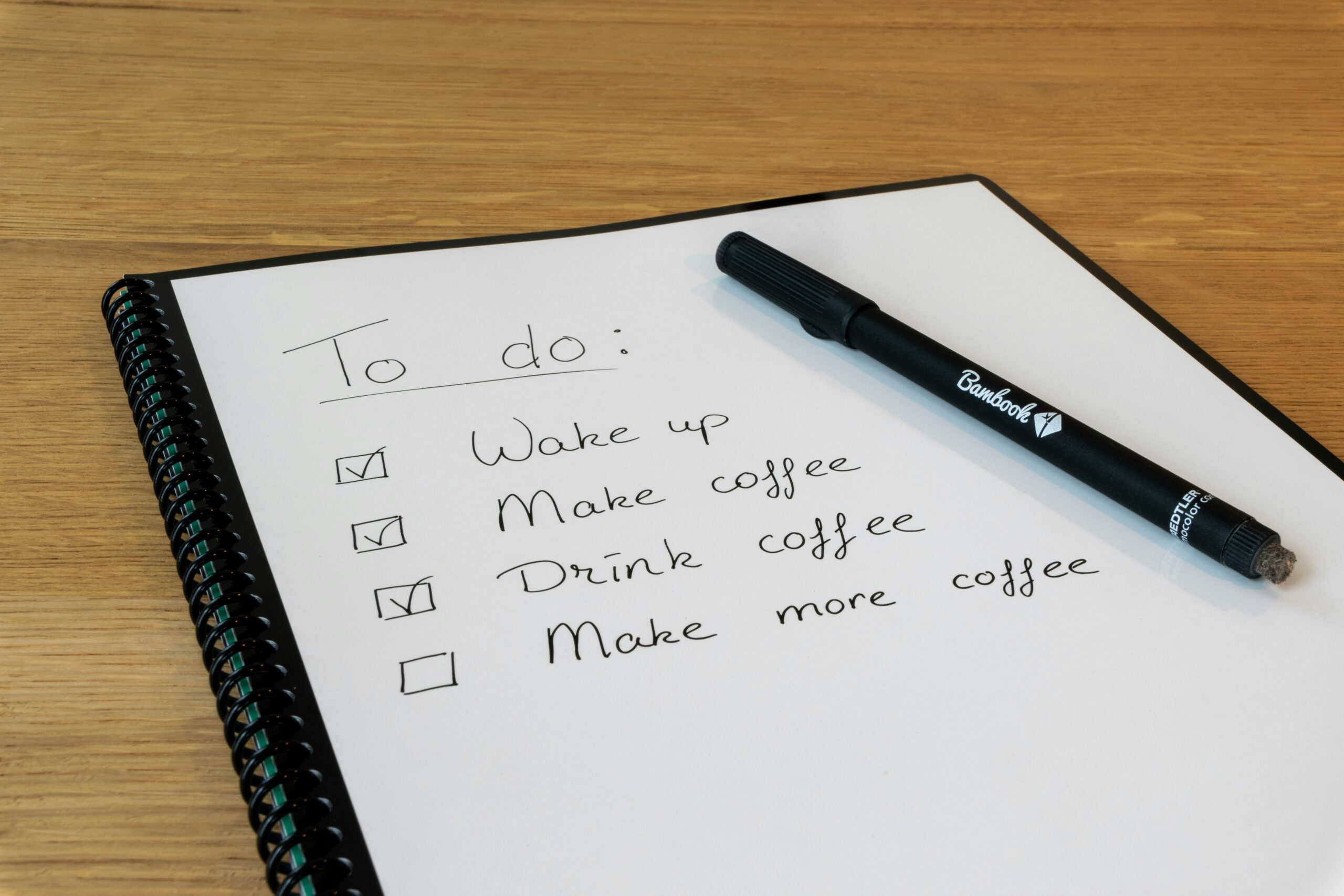
1. Create Gentle Structure (Not Military Discipline)
When days blend together, mood dips.
Structure = nervous system safety.
And no, this does NOT mean waking at 4:30 am, running 8 miles, journaling 12 pages, and drinking celery juice.
We’re talking:
- Eat meals at about the same time
- Morning anchor (tea, prayer, reflection, journaling, reading)
- Light exposure during the day
- Movement of some kind
- Bedtime routine
Consistency tells your brain: “You’re safe. You know what to expect.”
And your brain says: “Okay. I can relax.”
2. Stay Connected Especially When You Don’t Feel Like It
Loneliness says: “Withdraw.”
Healing says: “Reach out, just a little.”
Connection doesn’t always mean deep emotional heart-to-hearts.
It can be:
- Coffee dates
- Classes
- Book clubs
- Walking with a friend
- Volunteering
- FaceTime calls
- Faith communities
- Therapy
Sometimes being around people calms the nervous system.
Community doesn’t need to be perfect to be healing.
3. Move Your Body — Kindly
Movement is one of the most effective mood stabilizers we have — not for weight loss, not for aesthetics, but for BRAIN HEALTH (Harvard Health Publishing, 2021).
Movement says: “I still live in this body. And it carries me.”
Suggested options:
- Walking
- Pilates
- Yoga
- Stretching
- Dancing in the kitchen, even just for five minutes
- Light strength training
No punishment.
No shame.
Just kindness.
Motion shifts emotion.

4. Give Yourself Something to Look Forward To

January feels endless when the calendar is empty.
So add joy.
- Plan a weekend away
- Start a creative project
- Schedule regular connection time
- Try a new class
- Create cozy rituals
- Explore a new place
- Build “silly fun” into life (board games, movies, puzzles, hobbies)
Hope grows when the future holds meaning.
5. Be Kind to Your Inner Voice
Listen to what your mind is saying.
If it sounds like:
“Everyone else is handling life better than me.”
“I should be grateful.”
“Why can’t I just be normal?”
Pause.
Try:
“This is a hard season — not a permanent state.”
“I am allowed to be human.”
“Support is strength.”
Talk to yourself like you’d talk to your favorite person.
You deserve that tone.
6. Know When Support Matters
Please reach out if you experience:
- Hopelessness
- Persistent sadness
- Sleep or appetite changes
- Loss of joy
- Trouble functioning
- Thoughts of self-harm
Therapy is not a weakness. It’s care. It’s courage. It’s healing.
You do not…, I repeat…, do not have to handle life alone.

A New Way to See January
What if January didn’t mean reinventing yourself?
What if it meant:
• rest
• realignment
• reflection
• reconnection
• rediscovering meaning
• honoring your humanity
You are not broken.
You are not “behind.”
You are not failing at life.
You are human in a difficult season.
And sometimes, the quiet months bring the deepest growth.
Brighter days are coming. And until then — be extra kind to yourself.
References (APA Style)
American Psychiatric Association. (2013). Diagnostic and statistical manual of mental disorders (5th ed.). Washington, DC: Author.
American Psychological Association. (2023). Seasonal affective disorder (SAD). https://www.apa.org
Carter, S. P., & Short, M. A. (2021). Sleep and mental health during the winter months: The role of daylight exposure. Nature and Science of Sleep, 13, 39–52. https://doi.org/10.2147/NSS.S287390
Harvard Health Publishing. (2021). Why the winter months can make depression worse. Harvard Medical School.
Mayo Clinic. (2023). Seasonal affective disorder (SAD) — Symptoms and causes. https://www.mayoclinic.org
National Alliance on Mental Illness. (2022). Understanding depression. https://www.nami.org
Rosenthal, N. E. (2019). Winter blues: Everything you need to know to beat seasonal affective disorder (4th ed.). New York, NY: Guilford Press.
Watson, D., & Naragon-Gainey, K. (2014). On the origins of mood and anxiety disorders. Annual Review of Clinical Psychology, 10, 187–215.