
Bubble Baths Won't Fix Burnouts
Fake vs. Real Self-Care (Let's Stop Lying to Ourselves)
Author: Dr. Julie. Sorenson, DMFT, MA, LPC
Let’s get something straight.
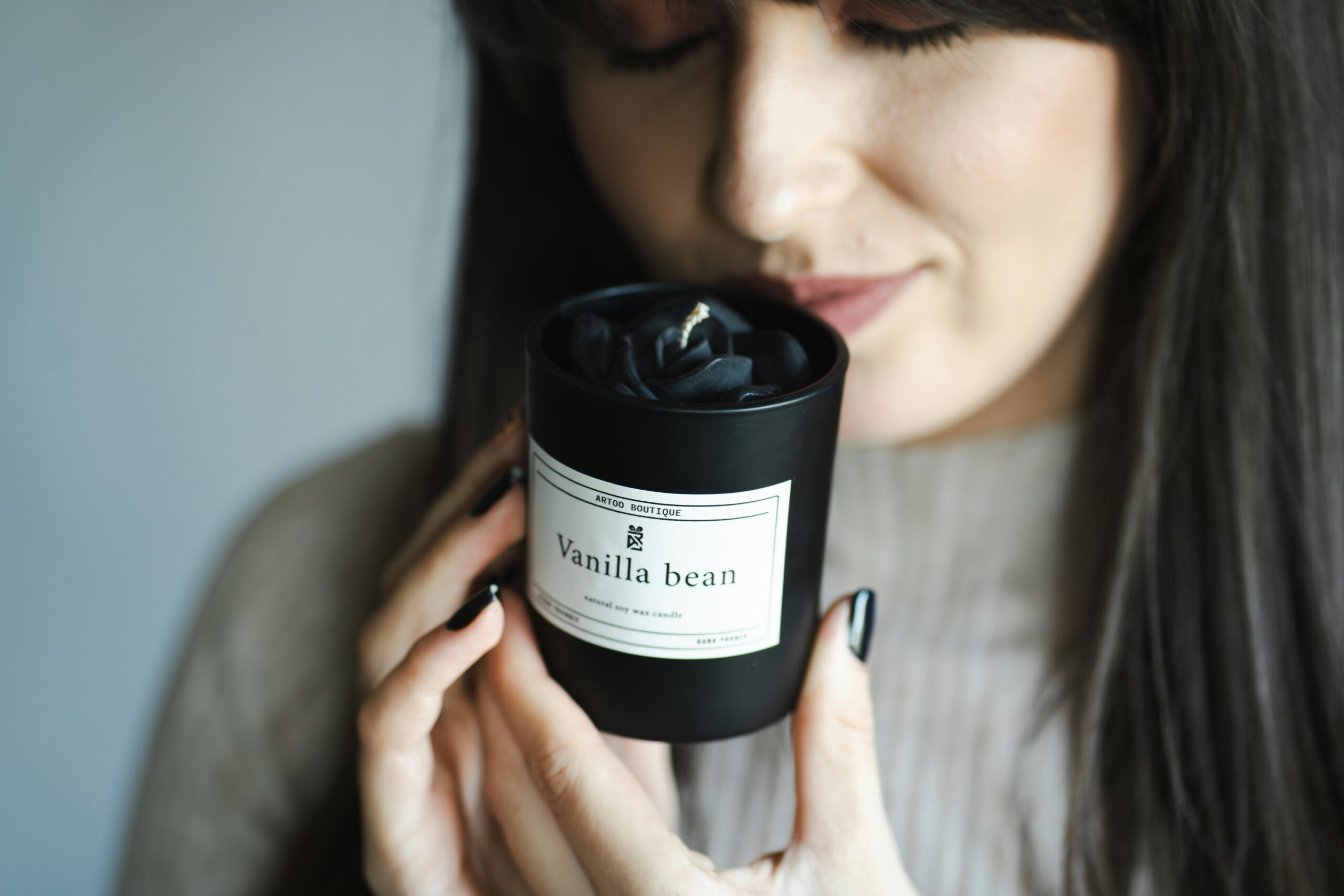
If a candle could heal burnout, we’d all be cured by now.
Somewhere along the way, self-care got watered down, commercialized, and wrapped in soft lighting. What started as a radical concept rooted in survival and sustainability turned into something aesthetic, passive, and—conveniently—non-disruptive.
And that version of self-care? It’s not broken. It’s doing exactly what it was designed to do.
Keep you functional.
Not free.
Fake Self-Care Is Capitalism in Cozy Packaging
Fake self-care teaches people how to tolerate lives that are actively draining them.
It whispers:
- “Just calm down.”
- “Manage your stress better.”
- “Try harder to relax.”
- “You’re not doing enough.”
Meanwhile, research has been telling us for years that burnout is driven less by individual failure and more by chronic stress, lack of support, and systemic mismatch between effort and reward (Maslach & Leiter, 2016).
In other words:
You’re not bad at self-care. You’re burned out — and someone sold you a bath instead of boundaries.
Fake vs. Real Self-Care: Let’s Call It What It Is
Fake Self-Care Says:
“Just Soothe Yourself.”
Real Self-Care Asks:
“Why am I always dysregulated?”
Fake self-care focuses on symptoms:
- Anxiety → breathe
- Exhaustion → push through
- Overwhelm → numb out
Real self-care focuses on patterns:
- Chronic overfunctioning
- Emotional labor imbalance
- Lack of psychological safety
- Insecure attachment
- No recovery time
The nervous system doesn’t break because you forgot to meditate. It breaks because it’s been under threat for too long without repair (Porges, 2011).
Fake Self-Care Is Convenient
Real Self-Care Is Disruptive
Fake self-care:
- Fits neatly into your schedule
- Doesn’t upset anyone
- Doesn’t challenge power dynamics
- Doesn’t require hard conversations
Real self-care:
- Changes expectations
- Makes people uncomfortable
- Redefines roles
- Forces honesty
If your self-care never costs you anything — time, approval, access — it probably isn’t changing anything.
Fake Self-Care Is About Soothing
Real Self-Care Is About Safety
Soothing is temporary. Safety is structural.
You can soothe yourself every night and still wake up dreading your day. That’s not failure — that’s data.
The body doesn’t respond to vibes. It responds to consistency, boundaries, and secure connection over time (Herman, 2015; van der Kolk, 2014).
Fake Self-Care Sounds Like:
- “Everyone’s exhausted — this is normal.”
- “I’ll rest when things slow down.”
- “It’s not that bad, I can handle it.”
- “At least I’m grateful.”
Real Self-Care Sounds Like:
- “This pace is harming me.”
- “Something has to change.”
- “I don’t need to earn rest.”
- “I’m allowed to choose sustainability over approval.”
One keeps you functioning.
The other keeps you alive
Why Fake Self-Care Thrives (Especially for Women)
Fake self-care flourishes in cultures that reward self-abandonment.
Women, caregivers, helpers, and high achievers are praised for:
- Being resilient
- Being adaptable
- Being “low maintenance.”
- Making it work
But resilience without support doesn’t create strength — it creates burnout (American Psychological Association, 2023).
Fake self-care keeps people productive enough to keep going, without ever addressing why they’re depleted in the first place.
It’s not softness.
It’s survival in a silk robe.

Real Self-Care Isn’t Cute — It’s Awkward
This is the part that doesn’t sell.
Real self-care looks like:
- Saying no and being misunderstood
- Outgrowing relationships that benefited from your silence
- Resting before you collapse
- Letting people be disappointed
- Choosing regulation over performance
Healing often increases discomfort before it reduces suffering — a core principle in trauma-informed and behavioral therapies (Linehan, 2015).
If your self-care never challenges the life that exhausts you, it’s not care.
It’s coping.

Let’s Redefine Self-Care (Without the Lies)
Self-care isn’t what helps you survive the week.
Self-care is what helps you stop needing to recover from your life.
Sometimes it’s rest.
Sometimes it’s therapy.
Sometimes it’s medication.
Sometimes it’s boundaries.
Sometimes it’s grief.
Sometimes it’s walking away.
And sometimes, the most radical act of self-care is saying:
“This is not sustainable — and I’m done pretending it is.”
Final Reality Check
If your self-care only changes your mood but never your circumstances, it’s not self-care.
It’s coping.
Coping is valid. But healing asks for more.
And you deserve more than survival dressed up as wellness.