
Pressed Start: When Gaming Connects Us
And When it Takes Over
Author: Dr. Julie. Sorenson, DMFT, MA, LPC
Video Games: Connection, Control, and the Importance of Balance
Video games are no longer viewed as a hobby or an activity kids do to pass the time. They’re woven into childhood, adolescence, and young adulthood. These devices are becoming a primary means by which people connect, decompress, compete, and cope.
Like most things that stimulate the brain, video games are not inherently good or evil. Their impact depends on how, why, and how much they’re used.
Let’s talk honestly about both sides.
The Positive Side of Video Games
When used intentionally and in moderation, video games can provide a positive pastime.
Connection & Belonging
Online gaming allows teens and young adults to:
- maintain friendships near and far.
- Interacting with peers
- feel part of a shared goal or team
- meet new people.
For some individuals—especially those who struggle socially—gaming can be a bridge to connection rather than isolation (Granic et al., 2014).
Skill Development
Many games strengthen:
- hand–eye coordination
- reaction time
- problem-solving
- strategic thinking
- small motor skills
Fast-paced and puzzle-based games can challenge the brain in ways that promote cognitive flexibility and perseverance (Bavelier et al., 2018).
Learning to Lose (and Try Again)
Video games provide repeated exposure to:
- failure
- frustration
- delayed reward
When guided well, they teach.
- Resilience
- Emotional regulation
- Persistence.
These skills matter far beyond the screen.
The Challenges & Risks
While gaming can be enriching, excessive or unregulated use carries repercussions.
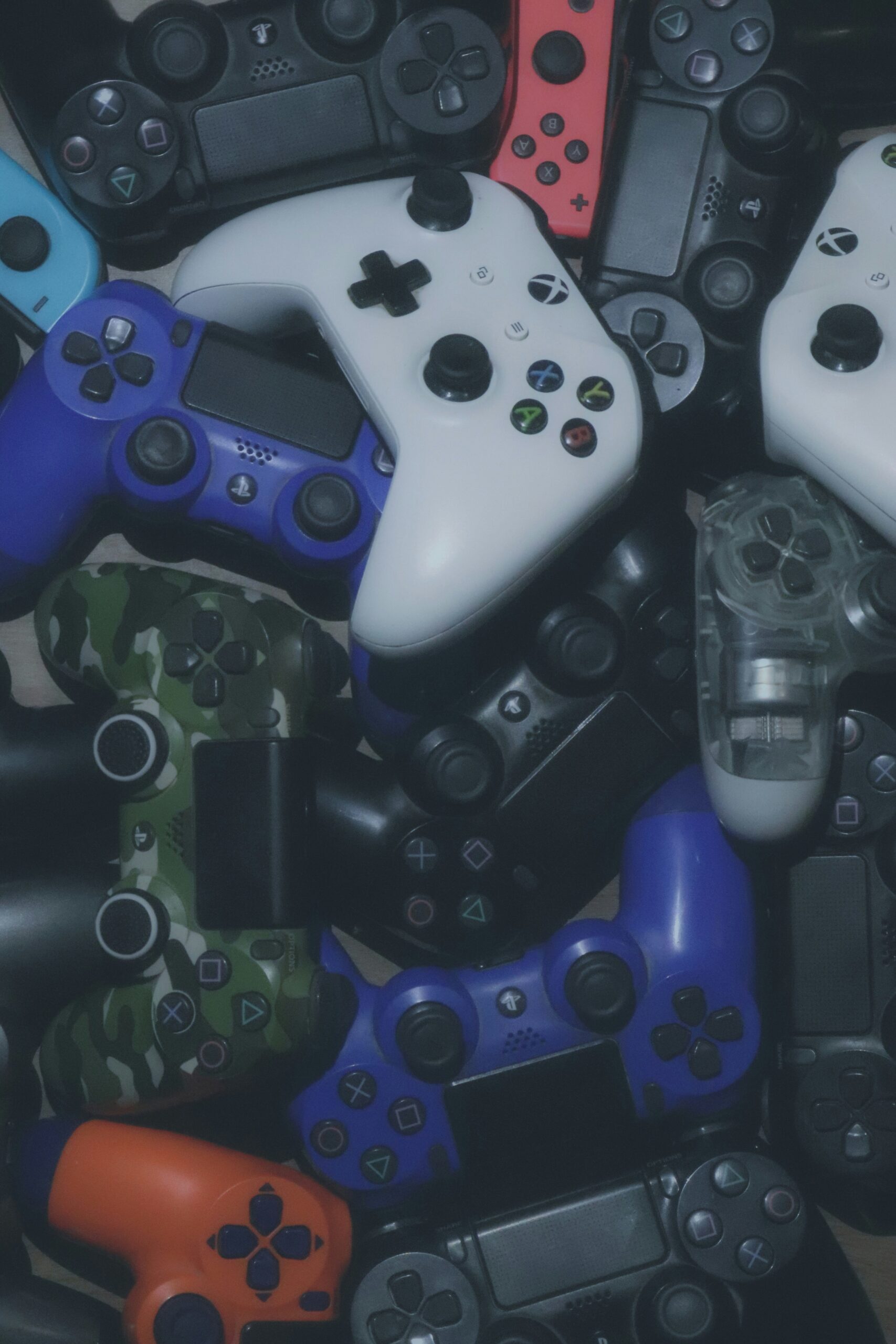
Addiction & Overuse
Gaming can activate dopamine in ways similar to other addictions. Over time, this may lead to:
- loss of interest in non-gaming activities
- irritability when unable to play.
- sleep disruption
- neglect of responsibilities
The World Health Organization now recognizes Gaming Disorder as a diagnosable condition when gaming significantly interferes with daily functioning (WHO, 2019).
Anger & Emotional Dysregulation
Prolonged gaming, especially competitive or violent games, can increase:
- emotional dysregulation
- frustration tolerance difficulties
- anger outbursts when interrupted.
This doesn’t mean games cause anger, but they can amplify underlying regulation challenges (Anderson et al., 2017).
Self-Esteem & Comparison
For some teens and young adults:
- Underperforming leads to shame
- Compared to skilled players, it lowers confidence.
- Identity becomes tied to online ranking or status.
When worth becomes performance-based, even digital self-esteem can suffer.
When Gaming Replaces Real Life
One of the biggest risks isn’t gaming itself, it’s what gaming replaces.
Excessive screen time can take away from:
- in-person friendships
- physical activity
- family connection
- sleep
- creative or exploratory play
Humans are wired for face-to-face interaction and movement. Without it, emotional health and social development can stagnate (Twenge et al., 2018).
The Importance of Balance
Balance doesn’t mean banning games. It means intentional use.
Healthy gaming looks like:
- games as part of life, not the center of it
- time limits that protect sleep, school, and relationships
- awareness of emotional shifts before and after playing
A helpful reflection:
“Is this enhancing my life, or helping me avoid it?”
Because One Size Doesn’t Fit Every Age
For Young Children Through Young Adult
Parents can support balance by:
- setting consistent screen-time boundaries
- keeping gaming devices in shared spaces
- pairing screen time with outdoor play, reading, or creative activities
- modeling healthy tech habits themselves
Routine and predictability matter most at this stage.
For Pre-Teens & Teens
Support shifts from control to collaboration:
- Create tech contracts (build this together for buy-in)
- Discuss how gaming affects mood, sleep, and school.
- encourage sports, clubs, arts, or social activities.
- Teach self-monitoring rather than relying only on rules.
This stage is about skill-building, not just limits.
For Young Adults
Young adults often face:
- peer pressure to stay online.
- gaming as stress relief
- blurred boundaries between leisure and avoidance
Helpful strategies include:
- scheduling intentional offline time
- prioritizing exercise and social connection
- noticing when gaming replaces coping skills.
- setting alarms or time blocks for gaming
Balance here requires self-honesty and accountability.
How Parents Can Help—Without Power Struggles
Parents don’t need to demonize gaming to guide healthy use.
What helps:
- curiosity instead of criticism
- conversations about values and goals
- clear expectations with flexibility
- 5 – 10 minute warnings to sign off
- shared activities that don’t involve screens.
Connection—not control—is the most effective regulator.
Final Thoughts
Video games can be:
- a place to connect.
- a way to unwind.
- a tool for learning
But they should never replace:
- movement
- real-world relationships
- emotional growth
Balance isn’t about perfection. It’s about awareness.
And when gaming starts to take more than it gives—that’s the moment to pause, reassess, and reset.
You’re not failing.
You’re learning how to be human in a digital world.
References
Anderson, C. A., et al. (2017). Screen violence and youth behavior. Psychological Bulletin, 143(9), 959–1002. https://doi.org/10.1037/bul0000123
Bavelier, D., et al. (2018). Brain plasticity through video games. Annual Review of Neuroscience, 41, 163–183. https://doi.org/10.1146/annurev-neuro-080317-061923
Granic, I., Lobel, A., & Engels, R. C. (2014). The benefits of playing video games. American Psychologist, 69(1), 66–78. https://doi.org/10.1037/a0034857
Twenge, J. M., et al. (2018). Increases in depressive symptoms among adolescents. Clinical Psychological Science, 6(1), 3–17. https://doi.org/10.1177/2167702617723376
World Health Organization. (2019). Gaming disorder. https://www.who.int/standards/classifications/frequently-asked-questions/gaming-disorder